
Machine-vision systems often rely on standardized high-speed interfaces to transfer image data from cameras to processing hardware. Two widely used standards are Camera Link and Camera Link HS. While both are designed for deterministic, low-latency image transport, they differ significantly in architecture, bandwidth, connectors, and implementation platforms.
Camera Link: Overview and Key Characteristics
Camera Link is a long-established interface developed for industrial imaging and machine-vision applications. It uses parallel LVDS signaling to transfer pixel data from cameras to frame grabbers or processing hardware.
Core characteristics
- Parallel LVDS-based communication
- Deterministic timing and low latency
- Supports Base, Medium, Full, and extended configurations
- Widely used in industrial inspection, medical imaging, and automation
Connectors used
- Camera Link relies on dedicated Camera Link connectors (typically MDR-26 or SDR-26 types).
- These connectors are specifically designed for Camera Link cameras and frame grabbers and are not interchangeable with general-purpose high-speed serial connectors.
This architecture makes Camera Link reliable and predictable, but its bandwidth scaling is limited compared with newer serial standards.
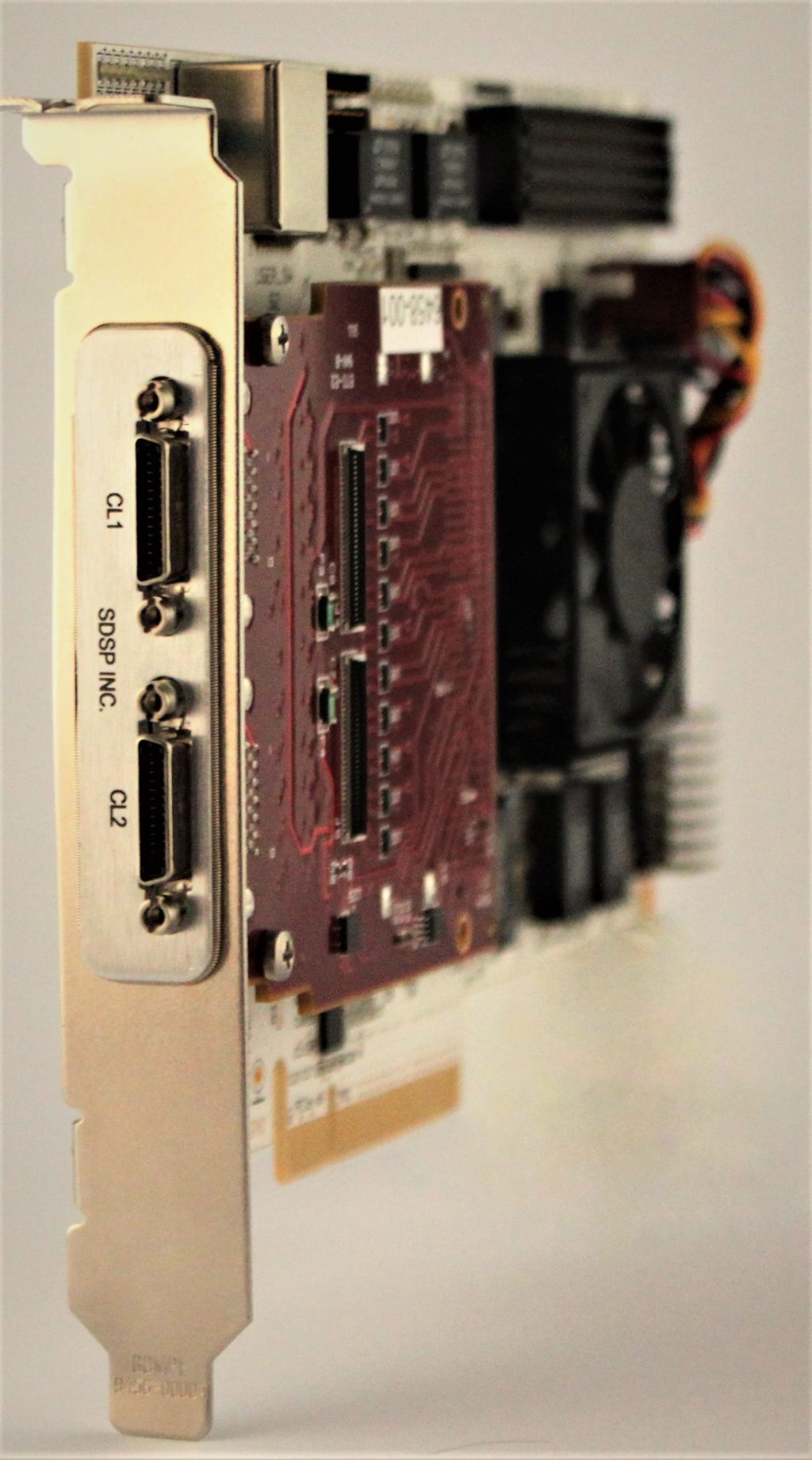
Camera Link HS: Overview and Key Characteristics
Camera Link HS is the evolution of the original standard. It replaces parallel LVDS with high-speed serial communication over copper or fiber.
Core characteristics
- High-speed serial architecture
- Much higher bandwidth and longer cable distances
- Improved scalability and robustness
- Support for error detection and more flexible topologies
Supported connector types
- Standard high-speed serial connectors rather than legacy Camera Link connectors
- Examples include:
- CX4 copper connectors
- Fiber-optic connectors such as SFP+
- These connectors allow higher data rates and longer reach compared with the traditional Camera Link interface.
Camera Link HS is therefore more suitable for next-generation imaging systems that require high throughput and scalable connectivity.
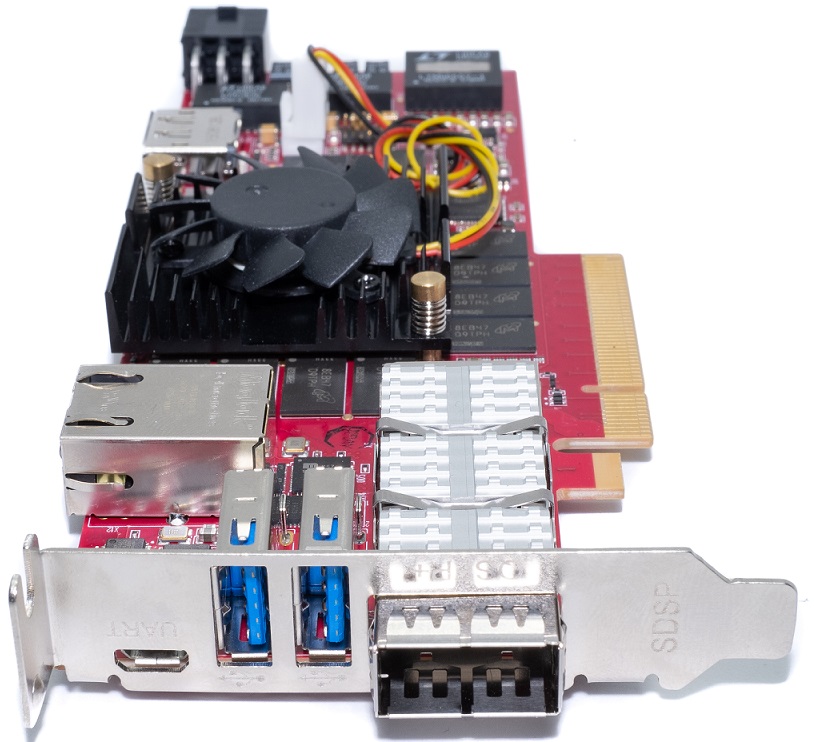
Connectors and Interface Comparison
| Feature | Camera Link | Camera Link HS |
|---|---|---|
| Signaling | Parallel LVDS | High-speed serial |
| Bandwidth scalability | Limited | High |
| Cable distance | Moderate | Long (fiber supported) |
| Connectors | Dedicated Camera Link connectors | CX4, fiber (SFP+), other serial connectors |
| Typical use | Industrial vision legacy and stable systems | High-performance, scalable imaging |
| FPGA platform fit | Frame grabbers + LVDS I/O | High-speed transceiver-based FPGA systems |
Development Platforms and Hardware from SundanceDSP
SundanceDSP provides FPGA platforms and I/O modules supporting both Camera Link and Camera Link HS development.
SE125: Suitable platform for Camera Link HS implementations
The SundanceDSP SE125 is a PCIe FPGA platform based on AMD/Xilinx Zynq UltraScale+ MPSoC devices.
It provides high-speed serial connectivity and processing capability, making it well-suited for implementing Camera Link HS interfaces and processing high-bandwidth imaging data streams.
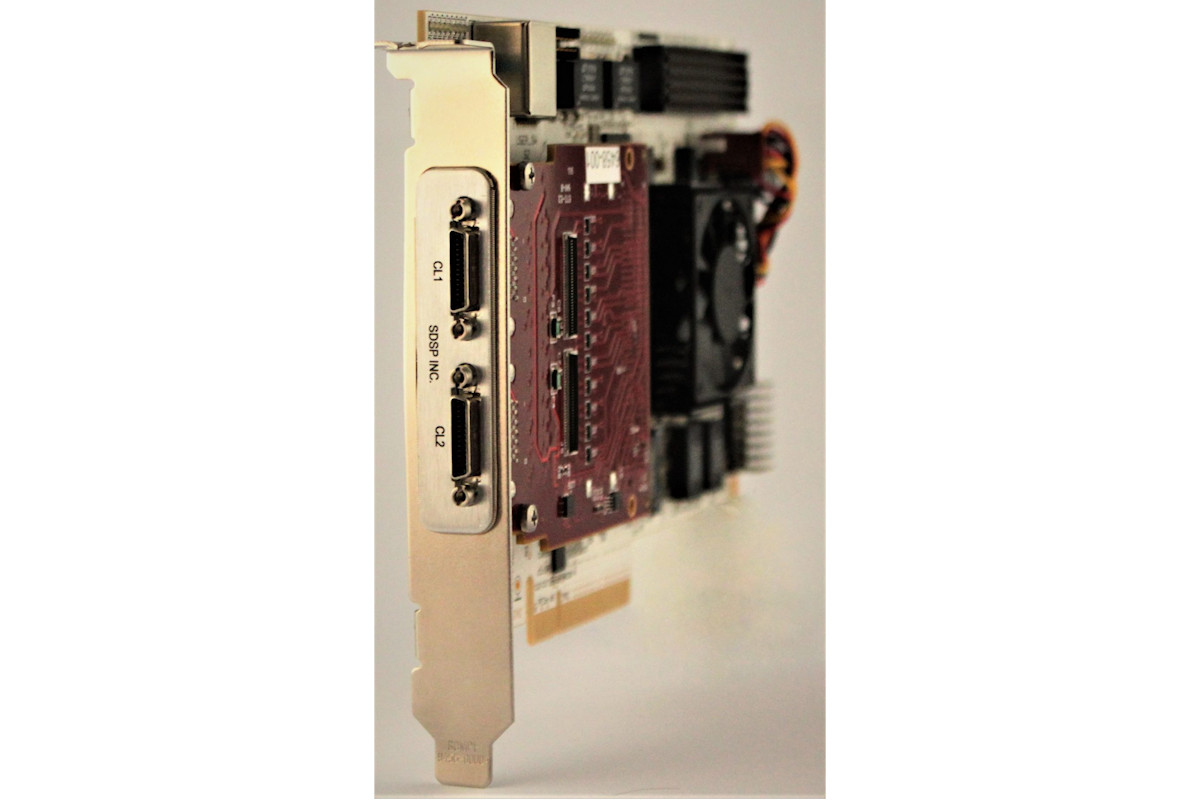
SE120 + FMC-CL: Development solution for Camera Link
A strong combination for traditional Camera Link development is:
This pairing enables:
- Camera Link frame-grabber functionality
- FPGA-based image acquisition and processing
- Integration into PCIe host systems
These platforms are designed to interface directly with Camera Link cameras and support industrial imaging workflows.
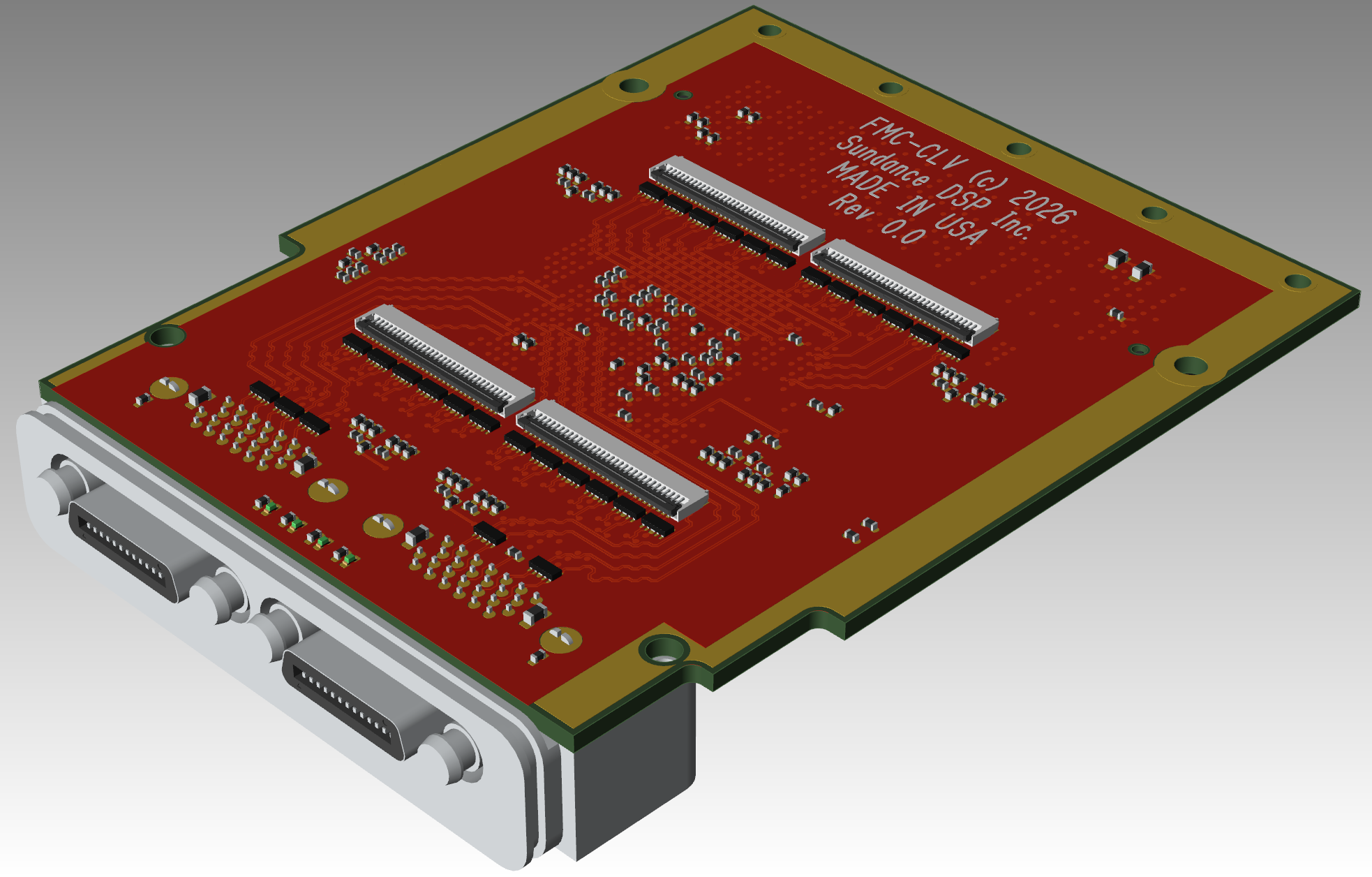
FMC-CLV: Camera Link with Versal compatibility
For systems targeting modern AMD Versal devices, SundanceDSP offers:
Key attributes:
- Provides multiple full-width Camera Link interfaces
- Transfers captured data to the carrier via serial transceivers
- Compatible with lower I/O voltage platforms such as Versal
- Supports the latest Camera Link specification and PoCL power options
The module can interface cameras and forward processed or unprocessed data to a compatible FMC carrier.
SundanceDSP Ecosystem for Camera Link Development
SundanceDSP provides a complete ecosystem for imaging solutions:
- FPGA processing platforms (SE125, SE120)
- Camera Link FMC modules (FMC-CL, FMC-CLV)
- Firmware, IP, and development support
- Integration with AMD/Xilinx MPSoC and Versal architectures
This combination enables:
- Prototyping
- Production imaging systems
- Migration from Camera Link to Camera Link HS
- High-performance FPGA-based image acquisition and processing
In short, SundanceDSP offers the hardware, firmware, and interface modules required to design and deploy both Camera Link and Camera Link HS systems—from legacy industrial cameras to next-generation high-bandwidth imaging platforms.