
For FPGA engineers, moving a signal from the fabric to a peripheral board consumes more engineering hours than the RTL behind it. Meanwhile, the mechanical fit, voltage levels, pin-count math, and adapter part numbers all multiply before the first line of test code...
Bridging PMOD and Raspberry Pi Ecosystems on One FMC: The Sundance FMC-RPi Module
read more

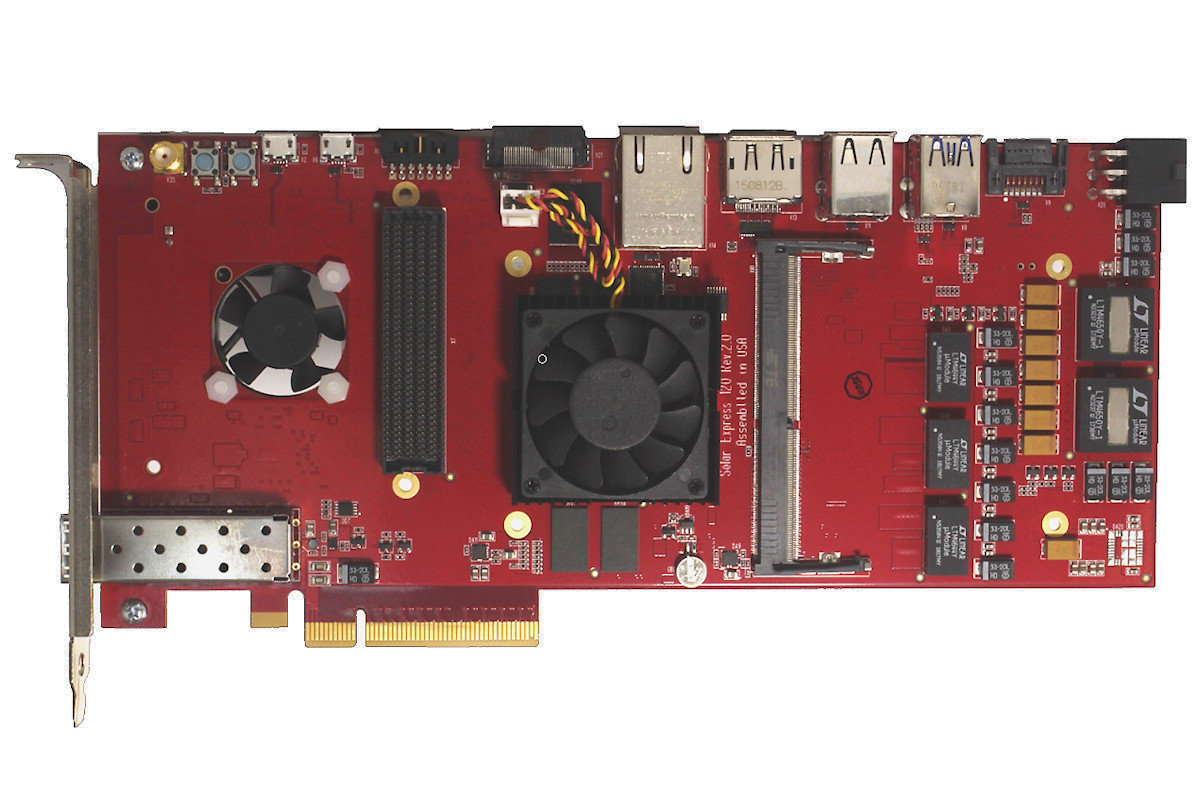
Sundance DSP Solar Express 50 (SE50): Adding High-Speed GPIO to a Host System
Most host systems (industrial PCs, embedded controllers, single-board computers) run out of I/O long before they run out of compute. A handful of GPIO pins, a slow parallel bus, no deterministic path for fast signals. The Sundance DSP Solar Express 50 (SE50), a...
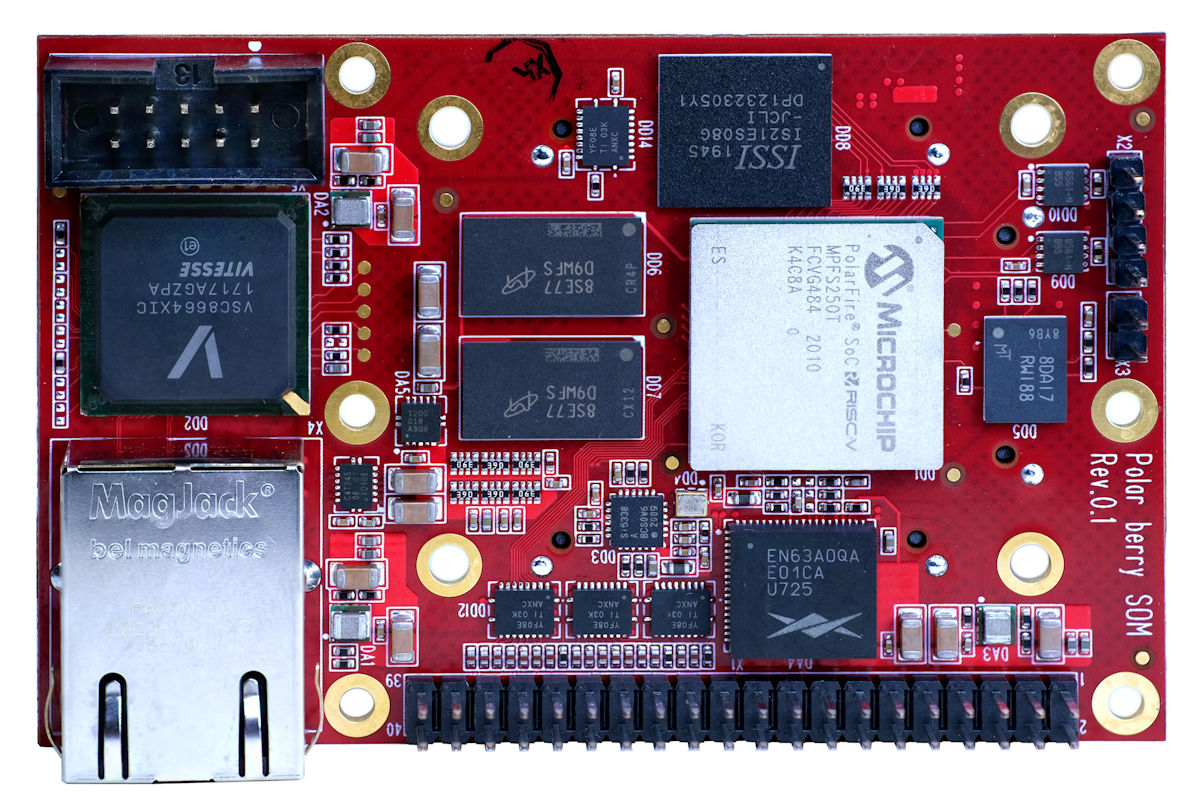
PolarBerry: A PoE-Powered RISC-V Platform Built for Unattended Ground Sensors
The challenge with any sensor node deployed in the field is simple: get information from a remote location without drawing attention to the node itself. Transmit less, transmit shorter, and run cooler. Those three constraints shape the hardware you pick. The...
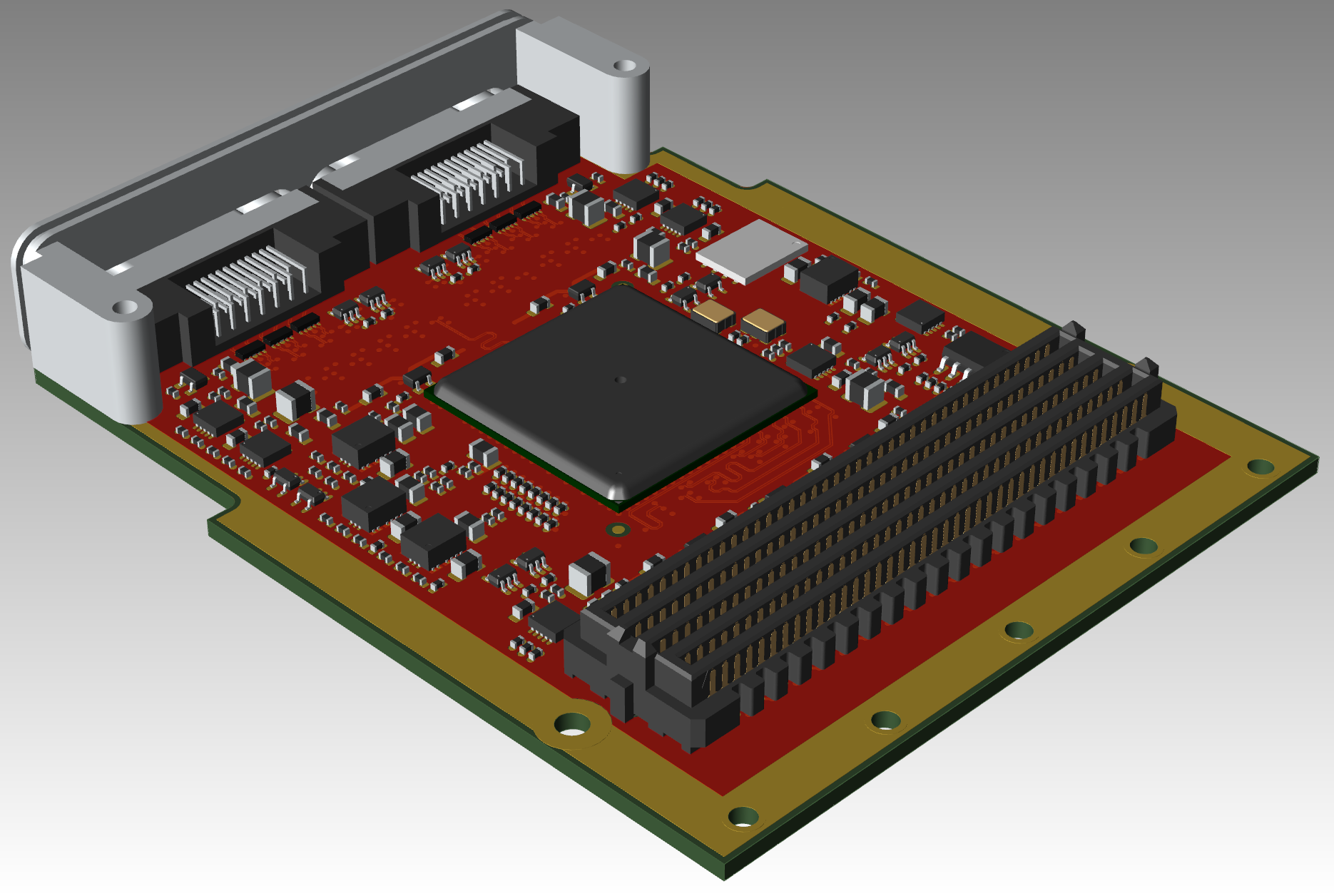
FMC-CLV: the Camera Link bridge you need when the next generation of FPGAs won’t talk to your old camera
Camera Link has been the default for fast, high-resolution imaging for a long time. Defense, scientific, and high-end industrial imaging all have a big installed base of it. Those cameras are still making pictures; they’re still pulling their weight, and in most...
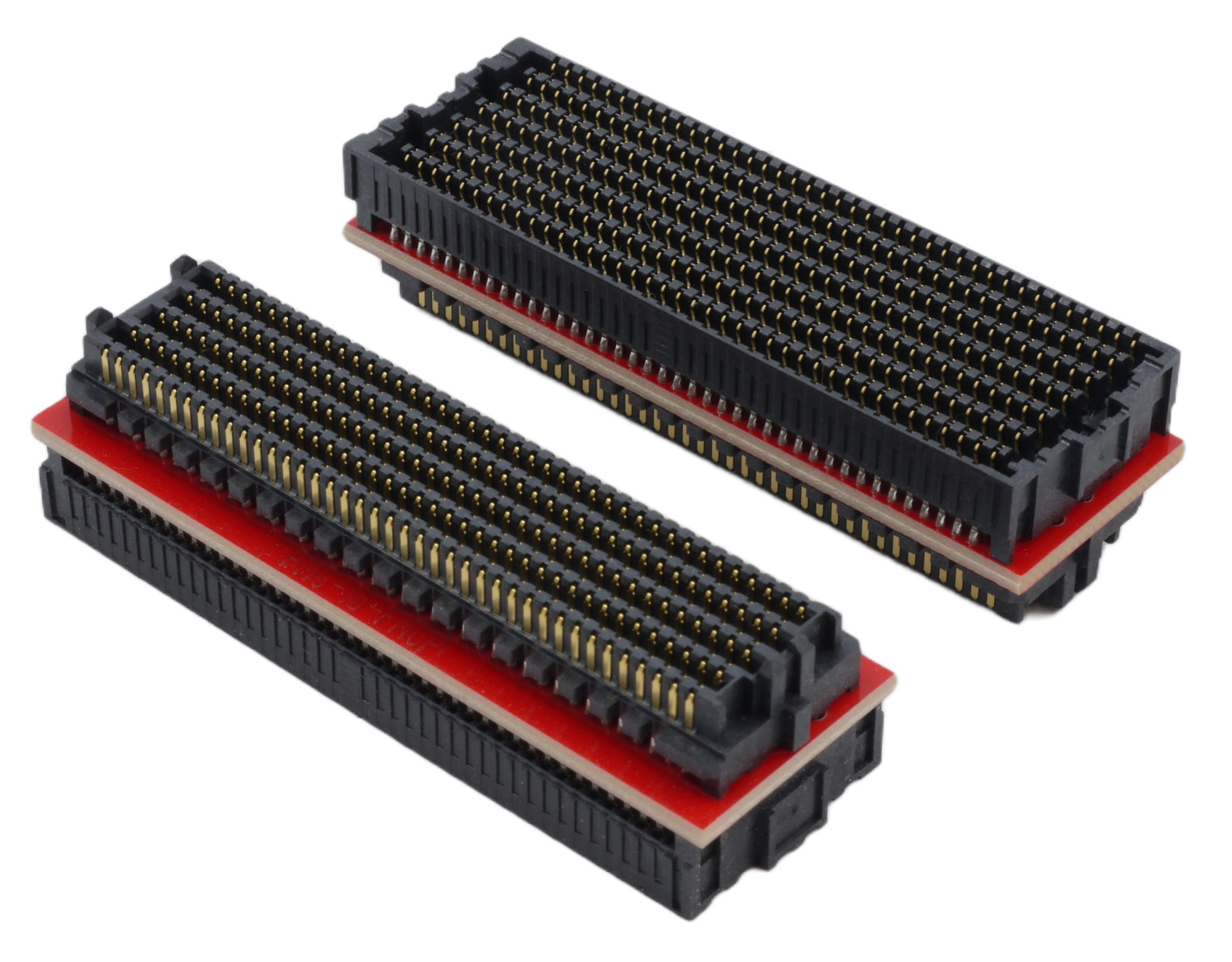
Mixing and Matching FMC and FMC+ Boards: A Practical Guide
Two standards, one mezzanine ecosystem The FPGA Mezzanine Card family gives hardware engineers a way to separate the FPGA carrier from the I/O front end. Buy one carrier, swap the mezzanine, and the same processing platform becomes a data acquisition system, an RF...
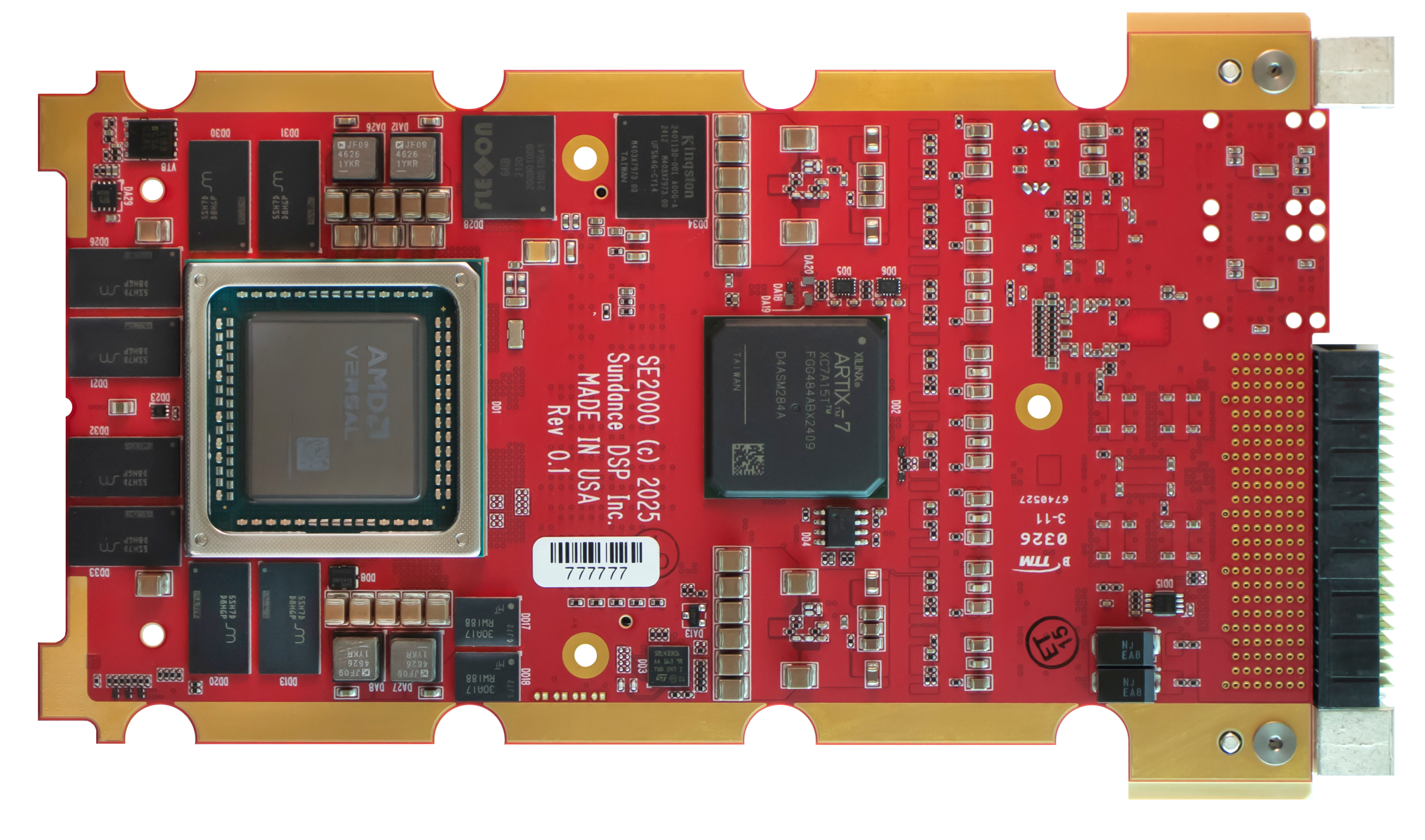
Why “Made in the USA” Matters for Critical Aerospace and Defense FPGA Deployment
“Made in the USA” is sometimes treated as a marketing footnote, a nice-to-have on a datasheet rather than a factor that shapes a procurement decision. In critical aerospace and defense electronics, that view undersells what domestic manufacturing actually...
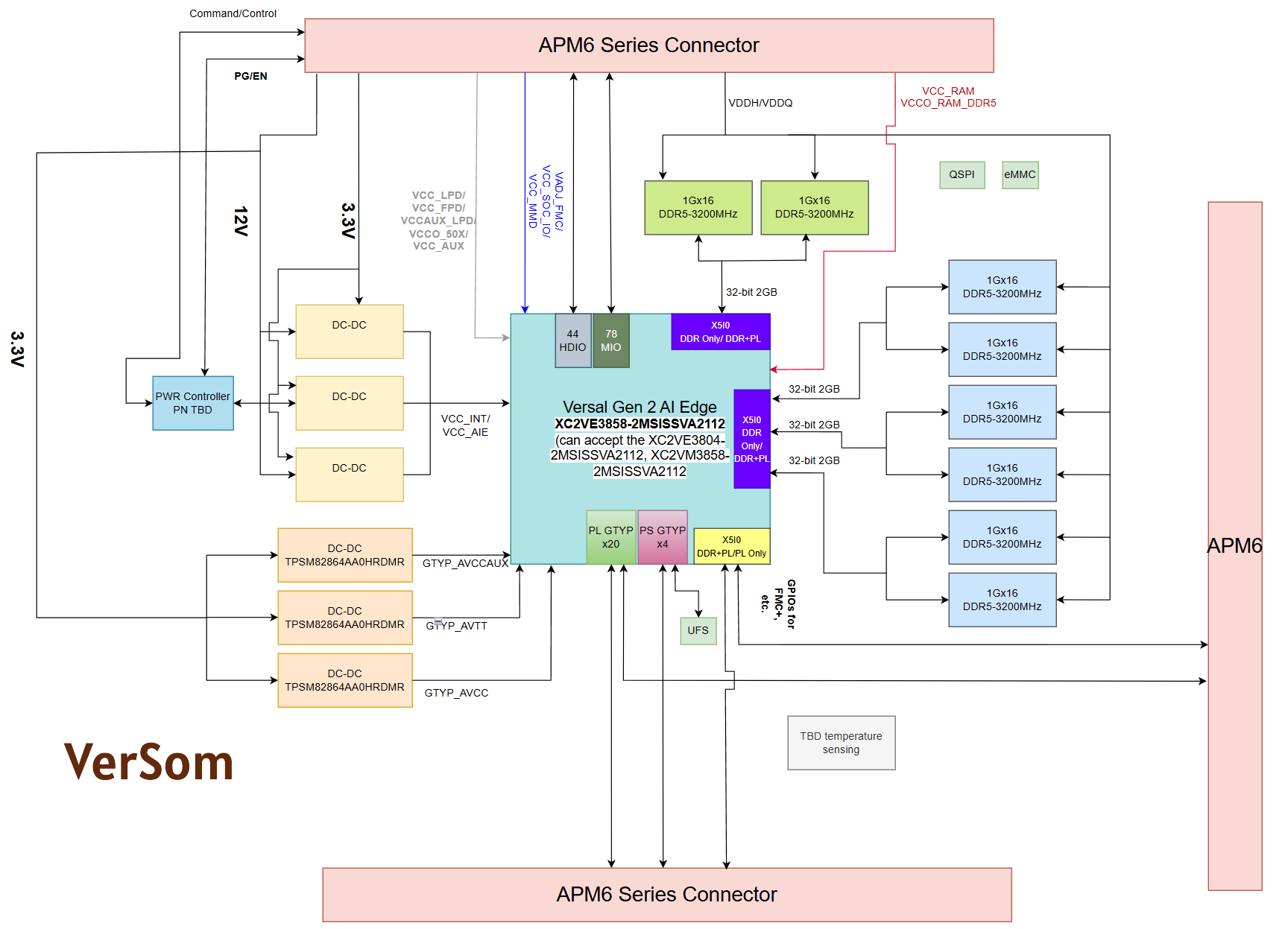
Demystifying Algorithmic Trading: Scaling Bollinger Bands from Python to Versal Gen 2 Hardware
In high-velocity financial markets, success often depends on two things: a statistical edge that survives real-world frictions, and the speed at which you can act on it. This article walks through a classic quantitative approach, the mean-reversion strategy using...
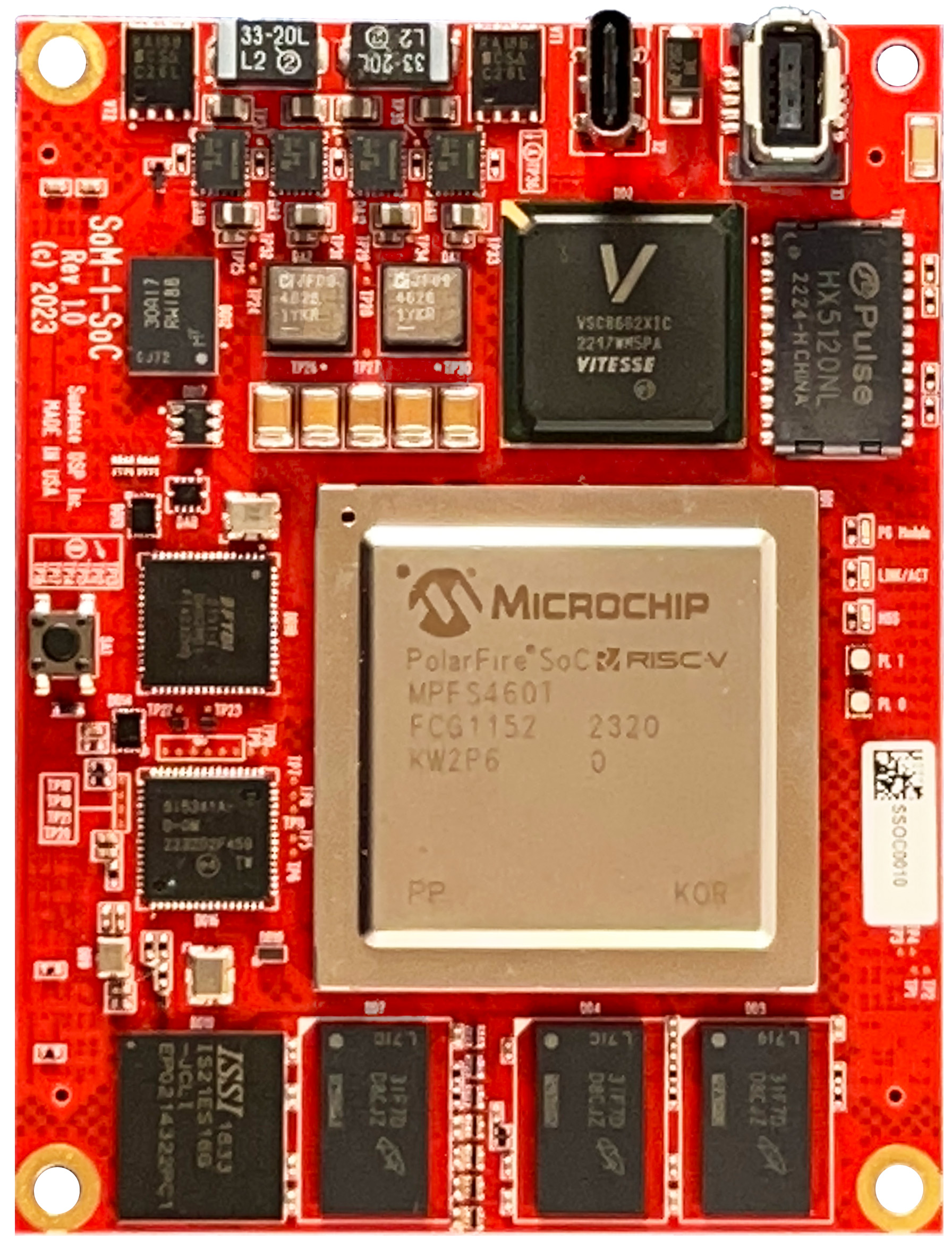
Why the SOM1-SOC (PolarFire SoC) Suits Radiation-Resistant Medical Imaging Systems
Introduction Medical imaging equipment lives close to radiation. CT scanners, angiography suites, C-arms, linear accelerators, and PET/SPECT scanners all place sensitive electronics near an active radiation source. Sometimes the electronics sit just centimeters away....
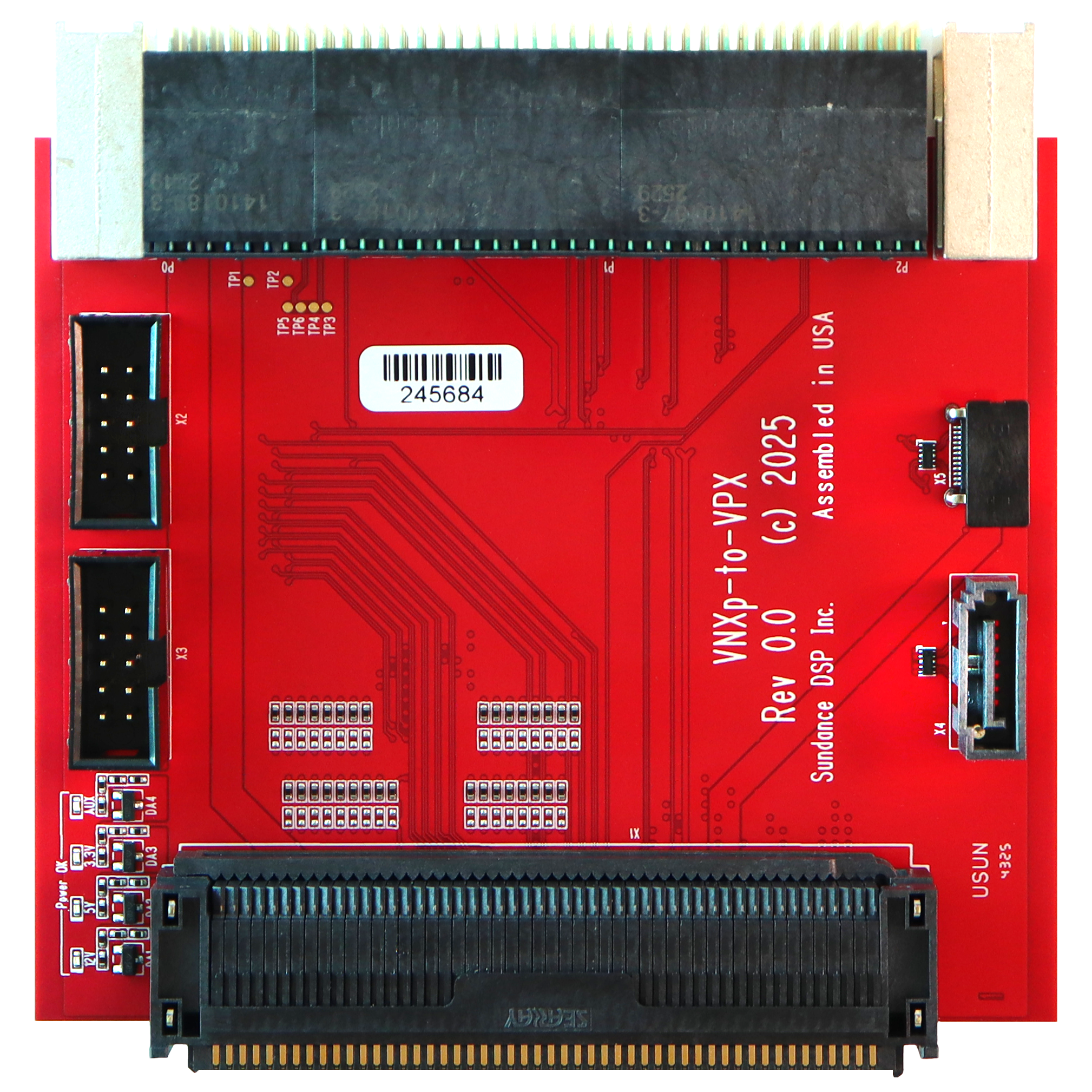
VPX and VNX+: Complementary Siblings, Not Competing Standards
Introduction In rugged embedded computing, it’s tempting to treat every new form factor as a replacement for the last one. VNX+ is often described that way, as “the next VPX” or “VPX, but smaller.” That framing misses the point. VPX...
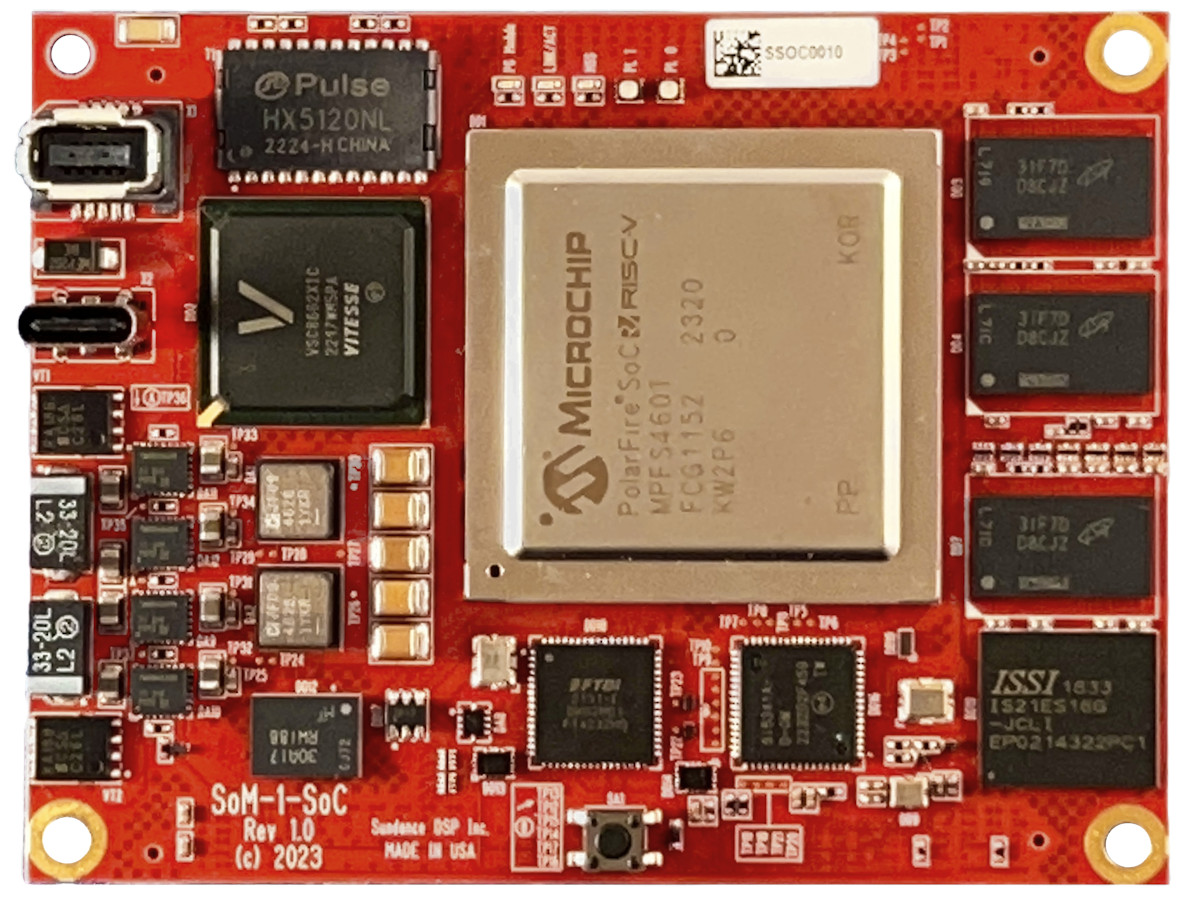
Unbricking & Reflashing U-Boot and Linux on the SundanceDSP PolarFire SoC (SOM1-SoC and PolarBerry)
If you have worked with the Microchip PolarFire SoC architecture, specifically on customized hardware modules like the SundanceDSP SE301 / SOM1-SoC or PolarBerry, you quickly realize that traditional embedded boot mechanics do not apply here. Unlike an ARM chip that...